A heel spur is a bony growth that can develop on the underside of the heel bone, often where ligaments and connective tissue attach. Although some heel spurs cause no discomfort, others may occur along with plantar fasciitis and contribute to heel pain during walking or standing. Heel spurs develop when repeated stress places pressure on the heel. Risk factors include prolonged standing, excess body weight, and activities involving repetitive impact. Wearing shoes that lack adequate support or having tight calf muscles may also increase strain on the heel. Understanding these contributing factors can help you make informed choices about foot care and reduce unnecessary pressure during daily activities.
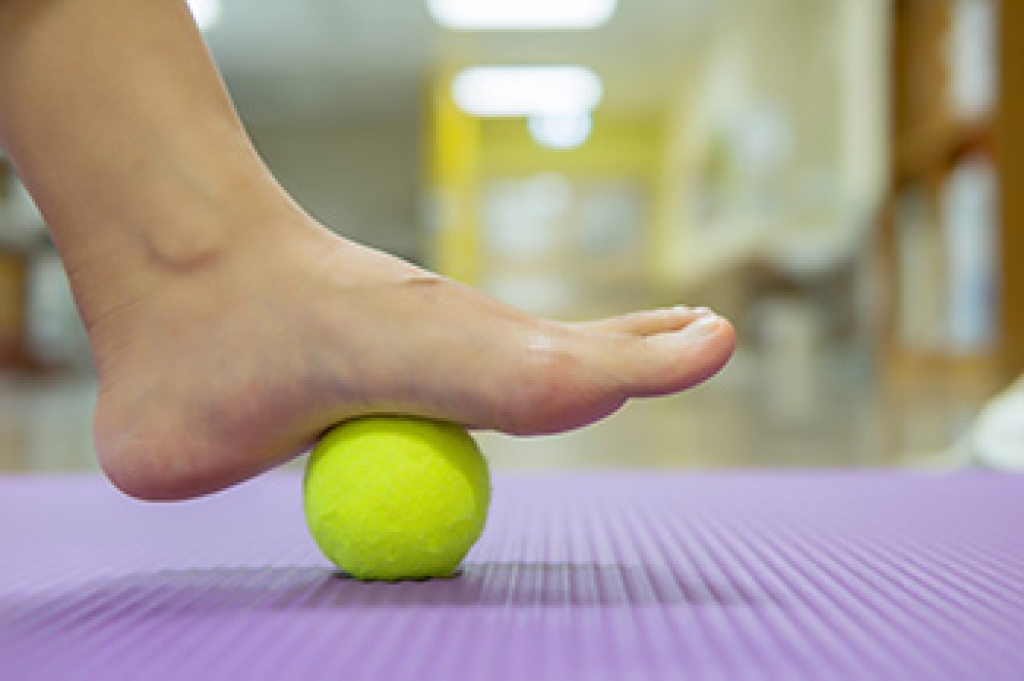
Gentle exercises may help ease discomfort associated with heel spurs by improving flexibility and reducing tension around the plantar fascia, a thick band of tissue connecting the heel to the toes. Plantar fascia massage is one option. Sit comfortably, place a small ball beneath your arch, and slowly roll it toward the heel and back for several minutes. Apply gentle pressure rather than pressing directly on painful areas. This massage may help loosen tight tissue and improve comfort. Stop if the movement increases pain, and avoid aggressive massage when the heel is significantly swollen or tender.
A plantar fascia stretch can also help relieve tension. While seated, cross one foot over the opposite knee and gently pull your toes toward your shin until you feel a stretch along the arch. Hold for about 20 to 30 seconds and repeat several times. Heel drops may help stretch the calf muscles. Stand on a step with your heels extending beyond the edge, hold a railing for balance, and slowly lower your heels below step level. Begin gently and avoid this exercise if it worsens heel pain. A podiatrist can help determine which exercises are suitable for your condition.
When heel pain persists, a podiatrist examines your foot, reviews your symptoms, and orders X-rays to identify a heel spur. Treatment options include wearing supportive footwear, custom orthotics, and stretching guidance. Surgery is rarely necessary and is considered only when conservative treatments fail. Early evaluation can help identify whether plantar fasciitis or another problem contributes to the discomfort. If you have a heel spur, it is suggested that you consult a podiatrist for an accurate diagnosis and appropriate treatment.
Exercising your feet regularly with the proper foot wear is a great way to prevent injuries and build strength. If you have any concerns about your feet, contact one of our podiatrists from Gelbmann Podiatry. Our doctors can provide the care you need to keep you pain-free and on your feet.
Exercise for Your Feet
Exercise for your feet can help you gain strength, mobility and flexibility in your feet. They say that strengthening your feet can be just as rewarding as strengthening another part of the body. Your feet are very important, and we often forget about them in our daily tasks. But it is because of our feet that are we able to get going and do what we need to. For those of us fortunate enough to not have any foot problems, it is an important gesture to take care of them to ensure good health in the long run.
Some foot health exercises can include ankle pumps, tip-toeing, toe rises, lifting off the floor doing reps and sets, and flexing the toes. It is best to speak with Our doctors to determine an appropriate regimen for your needs. Everyone’s needs and bodies are different, and the activities required to maintain strength in the feet vary from individual to individual.
Once you get into a routine of doing regular exercise, you may notice a difference in your feet and how strong they may become.
If you have any questions, please feel free to contact our offices located in Chicago, IL . We offer the newest diagnostic and treatment technologies for all your foot care needs.

