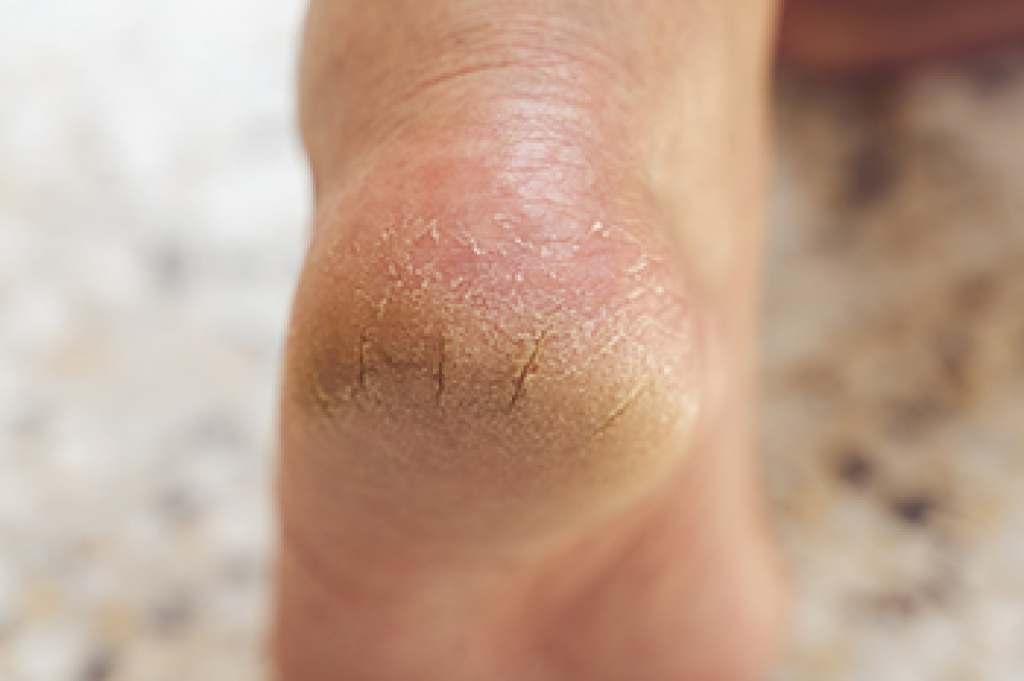
Cracked heel fissures develop when the skin on the heel becomes excessively dry and thick, leading to visible splits that can affect both comfort and mobility. The heel is designed to absorb shock and support body weight, but when the skin barrier is compromised, it cannot handle pressure effectively. This condition is frequently seen in individuals who spend long hours on their feet or who lack proper foot support. While mild cases may appear as simple dryness, untreated fissures can deepen and lead to more serious complications. Understanding this condition is important for maintaining both skin health and overall foot function.
Common symptoms include dry, scaly skin that appears along the edges of the heel, often accompanied by a yellow or thickened callus. As the condition progresses, cracks may form and create discomfort during walking. Pain is typically more noticeable when pressure is applied, especially after long periods of standing. In severe cases, the fissures may bleed or become inflamed, increasing the risk of infection. Some individuals also experience itching or sensitivity in the affected area. Recognizing these symptoms early allows for more effective management and improved comfort.
Risk factors for cracked heels vary and often involve both lifestyle and health related influences. Individuals who walk barefoot or wear poorly cushioned footwear are more likely to develop excessive pressure on the heels. Obesity increases the load placed on the foot, which can stretch and weaken the skin. Chronic conditions such as diabetes and thyroid disorders may impair skin integrity and healing. Additionally, reduced hydration, whether from environmental exposure or inadequate skin care, further increases vulnerability. These combined factors create an environment where the skin is more likely to crack under stress.
The causes of cracked heels are primarily linked to the loss of moisture and repeated mechanical pressure. When the skin becomes dehydrated, it loses flexibility and becomes rigid, making it easier to split. Continuous pressure from standing or walking forces the skin to expand, worsening the fissures. Management includes restoring moisture with specialized creams, using supportive shoes, and avoiding behaviors that increase strain on the heel. Routine foot care and early intervention are essential for prevention. If you have cracked heels that have become painful, it is suggested you seek care from a podiatrist for a proper evaluation and appropriate treatment, which may include prescribed medication.
If the skin on your feet starts to crack, you may want to see a podiatrist to find treatment. If you have any concerns, contact one of our podiatrists from Gelbmann Podiatry. Our doctors can provide the care you need to keep you pain-free and on your feet.
Cracked Heels
It is important to moisturize your cracked heels in order to prevent pain, bleeding, and infection. The reason cracked heels form is because the skin on the foot is too dry to support the immense pressure placed on them. When the foot expands, the dry skin on the foot begins to split.
Ways to Help Heal Them
- Invest in a good foot cream
- Try Using Petroleum Jelly
- Ease up on Soaps
- Drink Plenty of Water
Ways to Prevent Cracked Heels
- Moisturize After Showering
- Skip a Shower
- Keep Shower Water Lukewarm
- Don’t Scrub Your Feet
If you are unsure how to proceed in treating cracked heels, seek guidance from a podiatrist. Your doctor will help you with any questions or information you may need.
If you have any questions, please feel free to contact our offices located in Chicago, IL . We offer the newest diagnostic and treatment technologies for all your foot care needs.

